BAPS Shri Swaminarayan Mandir Chicago
Less than 20 miles from Bartlett, Illinois, one of the most architecturally remarkable Hindu temples in North America draws visitors from across the Midwest. The BAPS Shri Swaminarayan Mandir — commonly called the BAPS Chicago Mandir — serves the spiritual and cultural needs of thousands of families throughout the northwest Chicago suburbs, including Bartlett, Hanover Park, Bloomingdale, and Carol Stream. For DuPage County residents, understanding this landmark means understanding a defining institution of the community they live in.
What Is BAPS and Why Does This Mandir Matter?
BAPS stands for Bochasanwasi Akshar Purushottam Sanstha, a Hindu denomination established in 1907 within the Swaminarayan sampraday (religious tradition). The organization operates more than 1,100 mandirs (temples) across 55 countries, according to the BAPS Swaminarayan Sanstha. The Chicago-area mandir functions as far more than a house of worship — it serves as a center for cultural education, youth programming, language instruction, and community health outreach.
The surrounding northwest suburbs have experienced significant demographic shifts in recent decades. According to the U.S. Census Bureau, DuPage County's Asian population grew by more than 25% between 2010 and 2020. The mandir stands at the center of that growth, anchoring a large and active South Asian community throughout the region.
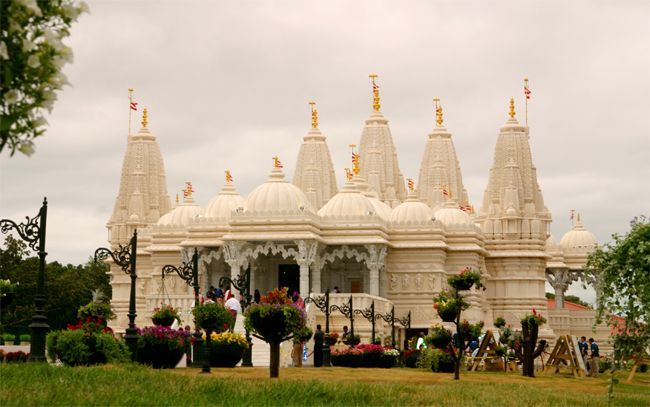
Image credit: Unknown photographer, CC BY-SA 3.0, via Wikimedia Commons
Architectural Design and Construction
Traditional Principles, Remarkable Craftsmanship
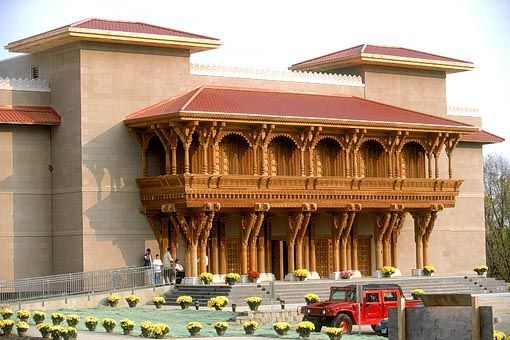
The BAPS Chicago Mandir follows Vastu Shastra and Agama Shastra — ancient Hindu architectural canons governing a temple's spatial layout, proportions, and sacred orientation. These principles have guided Hindu temple construction for over a thousand years and remain the foundation of every BAPS mandir built worldwide.
The exterior and interior stonework features Turkish limestone and Italian marble, hand-carved by more than 800 master craftsmen (shilpis) in India before being shipped to Illinois for assembly. The intricate carvings depict deities, celestial figures, and traditional motifs — no two panels are identical. This approach is called shikharbaddha construction, referring to temples built entirely with carved stone according to scriptural guidelines.
Facilities and Grounds
The mandir complex includes a main prayer hall, a cultural exhibition space called a haveli, a bookstore, and landscaped grounds. It hosts major Hindu festivals throughout the year — Diwali, Holi, and Swaminarayan Jayanti among them — drawing attendees from Illinois, Wisconsin, and Indiana. The site sits near I-390 and the Jane Addams Memorial Tollway (I-90), making it directly accessible from Bartlett via a short drive on IL-Route 20 or Irving Park Road.
Community Role in the Bartlett Area
The mandir's programming extends well beyond religious services. It offers Bal Vikas classes — a structured values-based education program for children — along with Gujarati and Hindi language instruction and senior wellness initiatives. These programs serve families across the northwest suburbs, including significant populations in Bartlett, Schaumburg, and Streamwood.
The Pluralism Project at Harvard University documents hundreds of Hindu temples across the United States, noting that many of the most architecturally significant have been built since 1990. This reflects both economic growth within South Asian immigrant communities and a generational commitment to preserving cultural and religious identity in American suburban life. The BAPS Chicago Mandir stands as one of the most prominent examples of this national trend.
What Bartlett Residents Should Know Before Visiting
Getting There and Road Conditions
Driving from Bartlett to the mandir takes roughly 20–25 minutes under normal traffic conditions. The route follows local arterial roads through the northwest suburban corridor. Illinois winters demand preparation — the Chicago metro area averages approximately 37 inches of snow annually, according to the National Weather Service, and DuPage County roads regularly experience icing and reduced visibility between November and March. Checking road conditions before attending large festival events, when parking lots fill quickly, is strongly advisable.
Vehicle Readiness and Illinois Requirements
Illinois law requires valid vehicle registration for all drivers. While DuPage County residents driving personal passenger vehicles are generally not subject to mandatory emissions testing (requirements apply primarily in Cook County and select collar counties for qualifying vehicles), the Illinois EPA's Vehicle Inspection Program outlines which vehicles and counties are affected. Regardless of testing obligations, maintaining a mechanically sound vehicle matters for safe travel on the congested suburban roads connecting Bartlett to regional destinations like the mandir.
Visitor Etiquette
The mandir welcomes visitors of all faiths and backgrounds. Standard etiquette includes removing shoes before entering the prayer hall, dressing modestly with covered shoulders and knees, and observing quiet in worship areas. Photography guidelines vary by area within the complex, so following posted signage ensures a respectful visit. Arriving early on festival days helps avoid parking congestion.
A Landmark That Reflects the Region's Identity
The BAPS Shri Swaminarayan Mandir is not simply a religious building — it is a cultural institution that reflects the diversity and vitality of the Chicagoland northwest suburbs. For Bartlett residents and neighboring communities across DuPage County, it represents the kind of landmark that shapes a region's character for generations. Whether visiting for the first time or returning for a festival, understanding the mandir's history, architecture, and community role deepens appreciation for one of Illinois's most extraordinary cultural sites.