Villa Olivia: A Guide to Bartlett, Illinois' Seasonal Recreation Destination
Tucked into the rolling terrain of Bartlett, Illinois, Villa Olivia stands out as one of the few recreation sites in the western Chicago suburbs that stays active in every season. The property functions as a year-round resort, shifting its identity as the weather changes. Understanding how this venue operates matters to local residents, because it reflects the same seasonal rhythms that shape daily life in Bartlett. Those rhythms influence everything from weekend plans to how people prepare their homes and vehicles for the months ahead.
Where Villa Olivia Fits Into Bartlett's Landscape
Bartlett is a village of roughly 41,000 people spread across Cook, DuPage, and Kane counties, according to figures from the U.S. Census Bureau. The community sits at an elevation of about 797 feet, and its gently rolling glacial terrain gives the area natural slopes that flat prairie towns lack. Villa Olivia takes direct advantage of that topography. Its hills serve golfers in the warm months and winter-sports enthusiasts once snow arrives.
That dual purpose is unusual for a suburb this far inland. Many recreation sites in northeastern Illinois specialize in a single activity, but Villa Olivia's elevation changes let it host contrasting uses across the calendar. The property's position within the Chicago metropolitan area also keeps it accessible to a large regional population. This flexibility is a defining feature of the site. It also explains why residents encounter very different traffic and parking patterns near the location depending on the season.
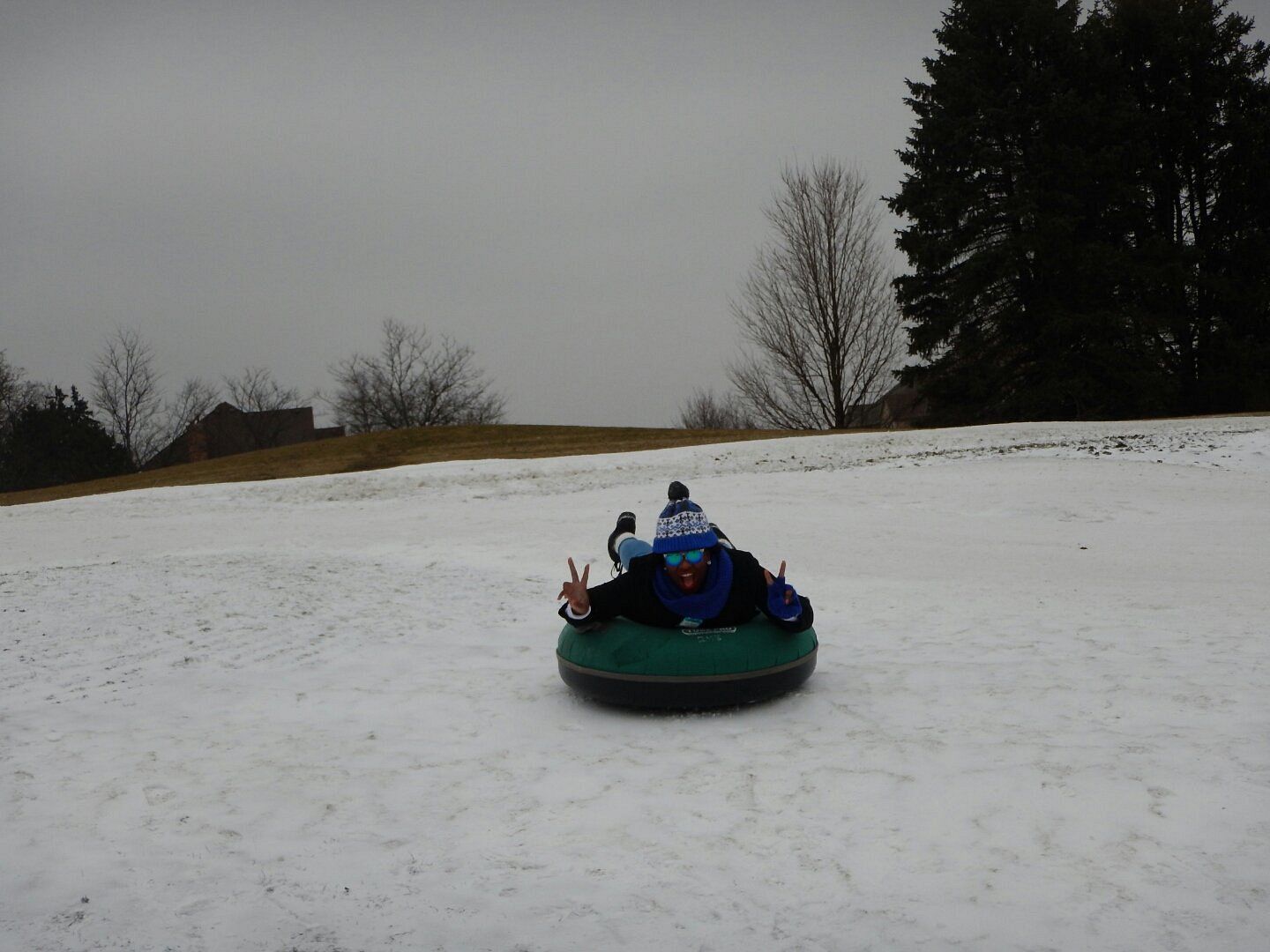
Image credit: Villa Olivia via Tripadvisor
The Golf Course and Its History
At the center of the property's warm-weather operation is an 18-hole championship golf course. The course opened in 1926, which places its origins nearly a century back and makes it one of the older courses in the region. Golf architect Richard P. Nugent, a member of the American Society of Golf Course Architects (ASGCA), designed the layout. His work gave the course its mature tree lines and contoured fairways.
The course measures 6,510 yards from the longest tees and plays to a par of 73. Golfers reviewing the scorecard will find a course rating of 72.4 and a slope rating of 124, two numbers worth defining. A course rating estimates the score a skilled golfer should shoot, while a slope rating measures relative difficulty for average players. Together, these figures signal a moderately challenging layout suited to a range of skill levels.
Those mature trees and rolling hills do more than shape play. They reflect decades of growth on a course that predates most of the surrounding suburban development. For a village that saw its largest population surge in the 1980s, a 1926 golf course represents a rare link to the area's earlier, more rural character.
Winter Sports and the Role of Local Climate
When temperatures drop, the property transforms into a winter-sports hub offering skiing, snowboarding, and snow tubing. This shift is possible because Bartlett experiences a genuine cold season rather than a mild one. The village falls within a hot-summer humid continental climate zone, a classification meteorologists assign to regions with four sharply defined seasons.
Local snowfall supports these activities. Data compiled by the National Weather Service shows the Chicago area averages roughly 36 inches of snow per year, with the heaviest accumulations arriving from December through February. January is typically the coldest stretch, with average low temperatures near 19°F. These conditions give operators a reliable window for making and maintaining snow on the property's slopes.
The same climate that fills the tubing hills also shapes conditions across the rest of the village. Cold snaps and freeze-thaw cycles are a routine feature of a Bartlett winter, and with January lows sitting well below freezing, snow and ice persist on the landscape for extended stretches. Visitors arriving at Villa Olivia in January encounter a setting almost unrecognizable from a summer tee time, and that contrast is a defining trait of a four-season climate.
Why This Seasonal Pattern Matters to Residents
Villa Olivia's calendar mirrors the broader seasonal demands placed on people who live and drive in Bartlett. The transition from a summer recreation venue to a winter one happens over just a few weeks each autumn. Residents experience a parallel shift as they swap warm-weather routines for cold-weather ones.
That transition carries practical weight. Winter in northeastern Illinois brings icy morning roads, salted pavement, and reduced daylight. The Illinois Department of Transportation maintains extensive winter road-treatment operations across the region precisely because these conditions are predictable and severe. Slick pavement and packed snow are common through the heart of the season, a setting that bears little resemblance to a dry summer afternoon in the same area. Anyone passing Villa Olivia's slopes in February is moving through that same winter landscape.
Summer brings its own character to the area. Heat and humidity build through June and July, when average high temperatures near 85°F settle over the region for weeks at a time. Longer daylight hours and heavier recreational travel fill the property's fairways during these months as well. Recognizing these seasonal patterns helps residents anticipate how the venue and the surrounding area will feel at any point in the year. A destination like Villa Olivia, which visibly changes with the seasons, serves as a useful reminder of how deeply the local climate shapes regional life.
A Landmark Shaped by Its Setting
Villa Olivia endures as a Bartlett landmark largely because it embraces the region's climate rather than resisting it. The golf course honors the area's warm, humid summers, while the ski and tubing hills depend on its cold, snowy winters. Few local venues capture the full range of a four-season Illinois year so completely.
For residents, the property offers more than recreation. It illustrates how thoughtfully a site can adapt to the same seasonal forces that residents themselves navigate every year. That adaptability, rooted in Bartlett's geography and climate, is what has kept the destination relevant across generations of local families.