Illinois EPA Automotive Waste Management Rules
Every oil change, brake job, and coolant flush leaves behind waste that has to go somewhere. Illinois EPA automotive waste rules exist precisely because used oil, old batteries, and spent refrigerant can contaminate soil and groundwater when handled carelessly. For drivers in Bartlett, IL, understanding these regulations reveals why the shop you choose for repairs matters just as much as the repair itself. At FTD Auto, we treat environmental compliance as a core part of quality service, not an afterthought.
Why Automotive Waste Management Matters in Illinois
Illinois generates enormous volumes of automotive waste every year, from used motor oil to lead-acid batteries and mercury switches. The Illinois EPA's Bureau of Land oversees how repair shops store, transport, and dispose of these materials under state hazardous waste rules, guidance the agency outlines in its waste disposal resources for businesses. These state rules mirror the federal Resource Conservation and Recovery Act (RCRA), the law that created the nation's "cradle-to-grave" system for tracking hazardous waste from creation to final disposal. Without this oversight, contaminants from a single careless shop could seep into local water supplies that our Bartlett neighbors depend on.
We fall into hazardous waste "generator" tiers based on how much regulated waste our shop produces each month, just like every repair facility in the state. Most independent shops in Illinois qualify as a Very Small Quantity Generator or a Small Quantity Generator, categories the EPA's generator classification rules reserve for businesses producing limited monthly volumes. Only high-volume operations reach Large Quantity Generator status, which triggers far more extensive reporting and inspection requirements.
Regardless of tier, we meet baseline obligations that include:
- Proper labeling and dating of hazardous waste containers
- Secure, leak-proof storage away from drains and stormwater systems
- Use of licensed haulers for transport and disposal
- Accurate recordkeeping to demonstrate compliance during inspections
A shop that skips these steps risks fines, cleanup costs, and reputational damage that can outlast any single violation.
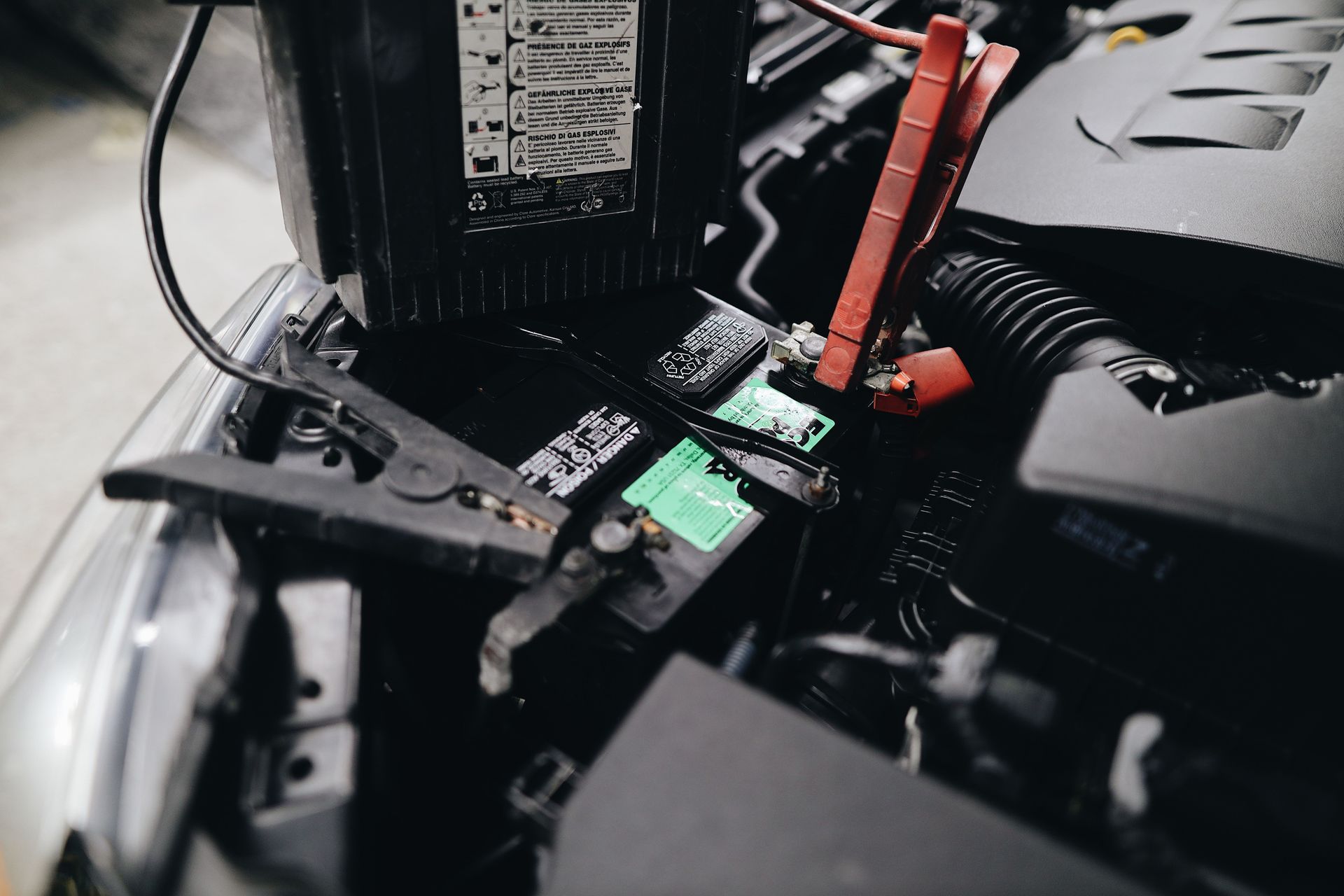
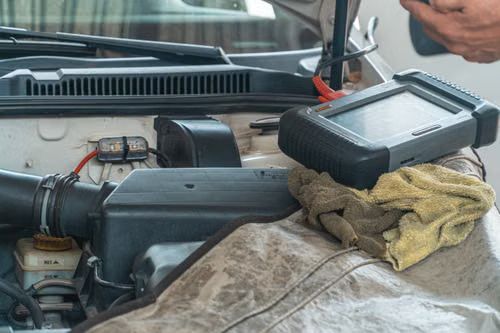
Image credit: Julia Avamotive from Pexels
The Everyday Waste Streams We Manage
Used oil, filters, and batteries make up the bulk of what our shop generates, and each carries its own handling requirements. We built our entire oil service process around collecting and recycling this waste correctly.
Used Oil and Filters
Illinois treats used motor oil as a "special waste" requiring recycling rather than disposal in ordinary trash. Oil filters must be properly drained before they're recycled as scrap metal, since residual oil can otherwise classify them as hazardous waste. The
federal used oil standards spell out exactly how we store and transfer this material to a certified recycler.
Batteries and Universal Waste
Lead-acid batteries fall under a category called "universal waste," a simplified regulatory tier for common items like batteries, certain lamps, and mercury-containing devices that are hazardous but generated in high volumes. Universal waste rules still require safe storage and certified recycling, just with fewer administrative burdens than full hazardous waste handling. Nearly every battery we replace in Bartlett eventually passes through this system before its lead and acid components are reclaimed.
Antifreeze, Refrigerants, and Certification Requirements
Used antifreeze contains ethylene glycol, a compound that's toxic to pets and wildlife even in small amounts, so we collect and recycle it rather than pouring it down a drain. Refrigerant recovery is even more tightly controlled: federal Clean Air Act rules require technicians to hold EPA certification before they can legally recover, recycle, or dispose of automotive refrigerants.
Our A/C service team follows this standard on every recharge, a process we break down further in our refrigerant handling guide. OSHA's hazard communication rules add another layer, requiring us to label these chemicals and keep safety data sheets on hand for every technician's protection.
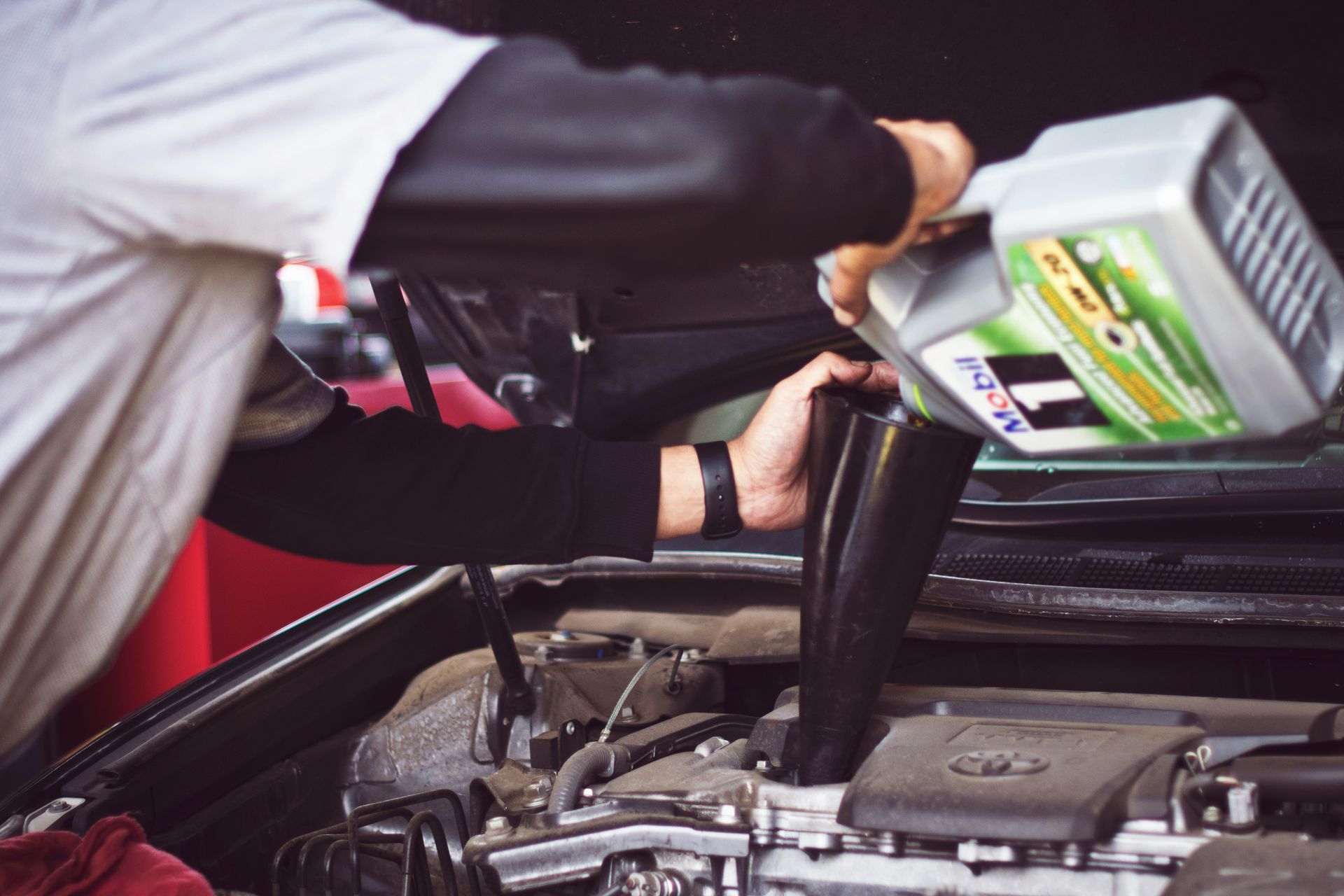
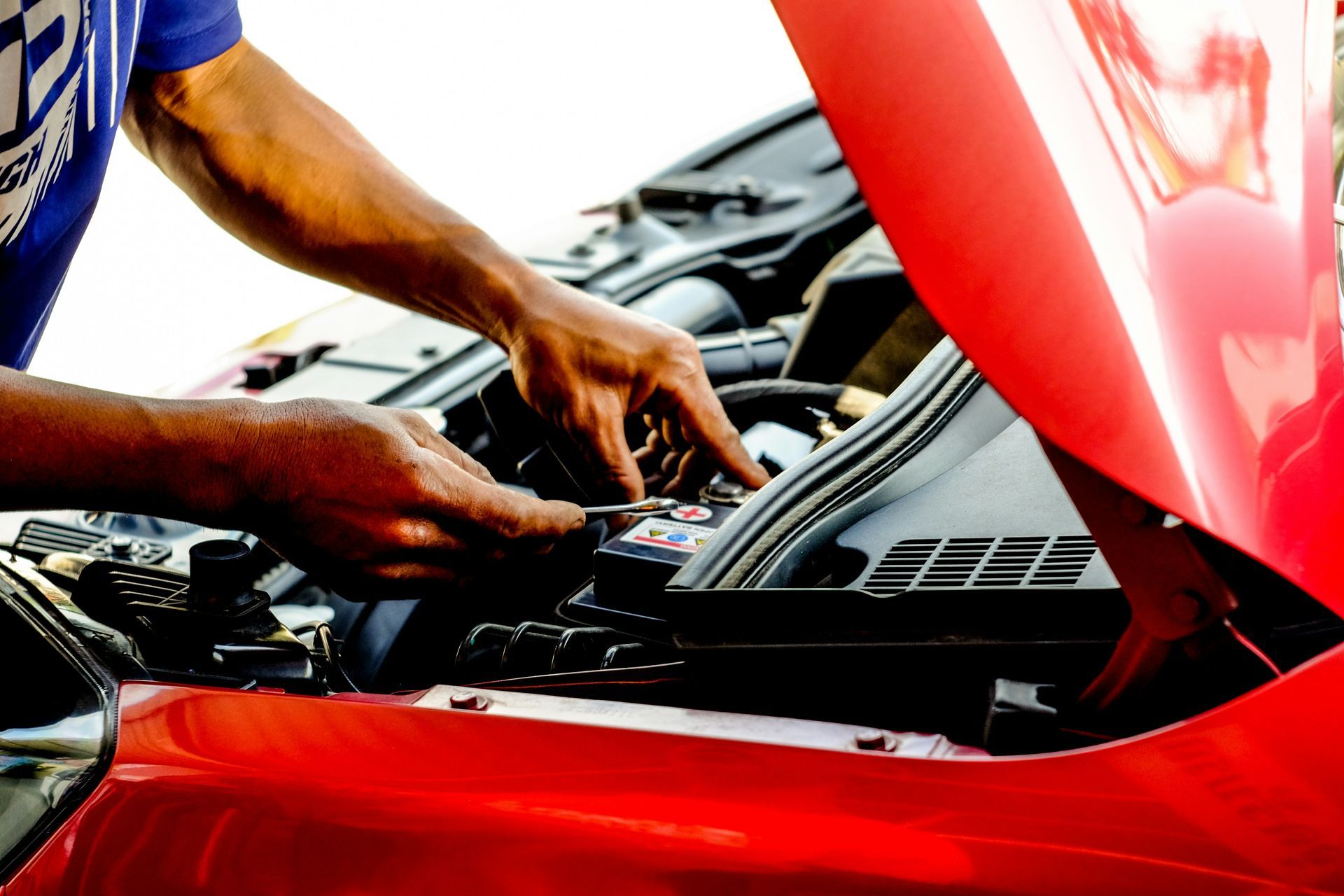
Image credit: Tim Mossholder on Unsplash
How Compliance Protects Bartlett Families and the Environment
Bartlett sits at the intersection of DuPage, Cook, and Kane counties, an area where private wells and local waterways remain vulnerable to contamination from improperly managed waste. When a repair shop cuts corners on waste handling, the consequences aren't abstract; they show up in soil, groundwater, and the health of nearby ecosystems. Choosing a shop that follows Illinois EPA automotive waste rules is one small but meaningful way Bartlett drivers support the long-term health of their own community.
Compliance also tends to correlate with overall shop quality. We hold our ASE-certified technicians to the same documentation standards we apply to waste handling, and we follow the same consumer protection rules that govern transparent estimates. Groups like the association behind our industry advocacy standards push the whole trade toward this kind of accountability, and we think Bartlett drivers deserve nothing less.
Choose FTD Auto — A Bartlett Shop That Takes Compliance Seriously
Understanding how Illinois EPA automotive waste rules work gives you a better framework for evaluating where you take your vehicle. We handle used oil, batteries, antifreeze, and refrigerants according to state and federal standards, and every visit includes a free digital vehicle inspection so you can see exactly what your car needs.
Whether you're due for an A/C recharge, a set of diagnostic checks, or routine maintenance, we back every repair with a 3-year/36,000-mile warranty and OEM-or-better parts, and you can check our current service specials before you book. Call FTD Auto today and let us show you what compliant, transparent car care looks like in Bartlett.