Bartlett Park District: Community Spaces & Mobility
Bartlett, Illinois, sits at the intersection of Cook, DuPage, and Kane counties, and its local park system reflects that same sense of connection. The Bartlett Park District links dozens of neighborhood parks, athletic facilities, and trail corridors into a single network that shapes how residents move through the community. Understanding how this system developed, and how it interacts with local roads and seasonal conditions, offers insight into everyday life in Bartlett that goes well beyond recreation.
A Community Built Through Public Investment
The Bartlett Park District traces its origins to a public referendum approved on January 18, 1964, establishing the district as an independent local government unit. Five years later, the Village of Bartlett donated a 13-acre parcel that became part of Sunrise Park, marking the first significant expansion of public land under district control. Since then, the district has grown to own 576 acres and lease an additional 35 acres spread across 44 individual parks. This steady, decades-long expansion illustrates how deliberate land acquisition, rather than a single large development, produced the interconnected system residents use today.
That growth has been recognized through formal evaluation. The district has held Distinguished Accredited Agency status since 1999, a designation awarded through a statewide review process that measures park and recreation agencies against established operational and safety benchmarks. It was also named a National Gold Medal finalist in 2009 and 2010, a competitive recognition reserved for agencies demonstrating exceptional community programming. These accreditation standards matter locally because they influence how facilities are maintained, staffed, and made accessible to residents.
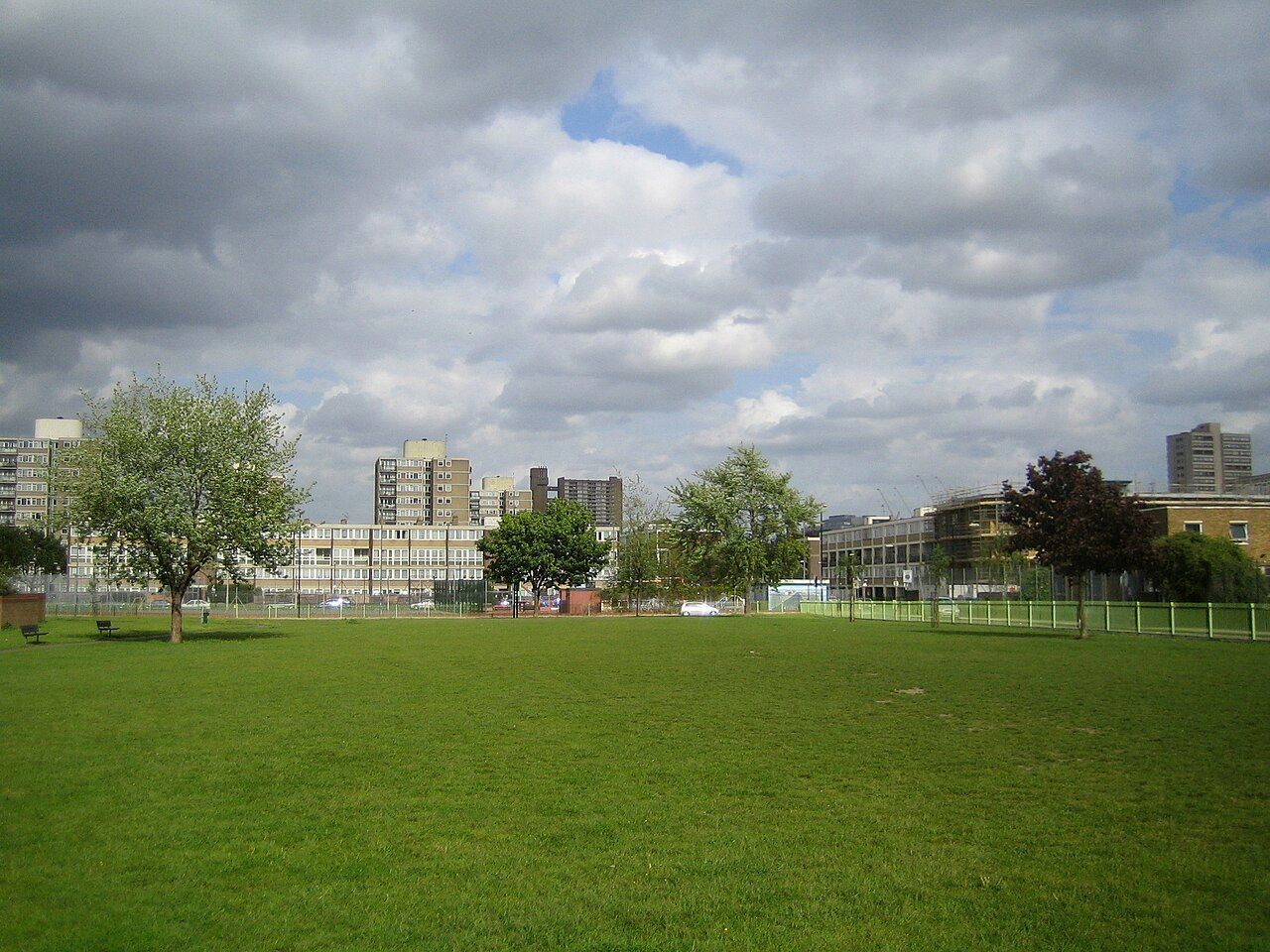
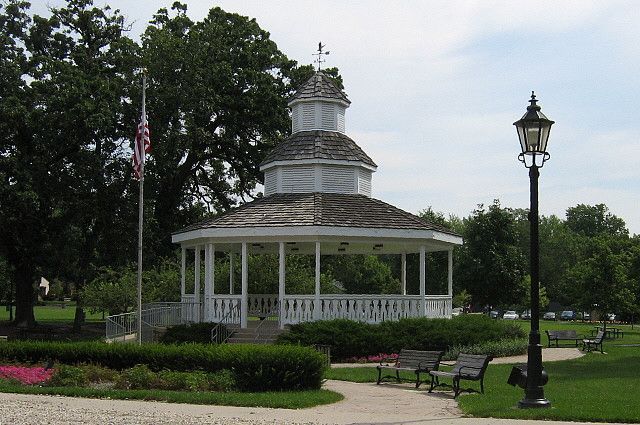
Image credit: Gordon Joly, CC BY-SA 2.5, via Wikimedia Commons
A Wide Range of Recreational Facilities
Bartlett's park system extends far beyond open green space. The district operates indoor and outdoor aquatic facilities, including an indoor aquatic center and an outdoor water park, alongside a full community center used for fitness and year-round programming. It also maintains two golf courses, a ski and event facility, an athletic field complex, and a dedicated nature center situated within James "Pate" Philip State Park.
This last connection is notable, since it places a locally operated nature center inside land managed by the Illinois Department of Natural Resources, blending municipal and state conservation efforts. Playgrounds throughout the system increasingly incorporate universal design principles, meaning equipment is built to accommodate children of varying physical abilities rather than requiring separate, segregated play areas. Together, these facilities mean residents regularly travel across multiple, geographically separated sites rather than a single central park.
Trails and Everyday Mobility
Mobility within Bartlett's park system depends on two distinct trail types: paved multi-use trails suited for walking, jogging, and cycling, and unpaved, natural-surface trails intended for hiking and closer contact with wooded or wetland terrain. These trails do more than loop through individual parks; many connect directly to neighborhood streets, creating informal extensions of the village's broader transportation network.
Residents who bike or walk to school, work, or errands often rely on these connections rather than treating them as purely recreational amenities.
Because parks are distributed across the district rather than centralized, most residents still reach them by car, particularly during winter months or when transporting sports equipment, strollers, or event supplies. Trailhead parking areas, many with gravel or unpaved surfaces, see heavier use in spring and fall when trail conditions are most favorable. This pattern of frequent short vehicle trips to varied park locations is a distinguishing feature of how Bartlett's mobility network actually functions day to day.
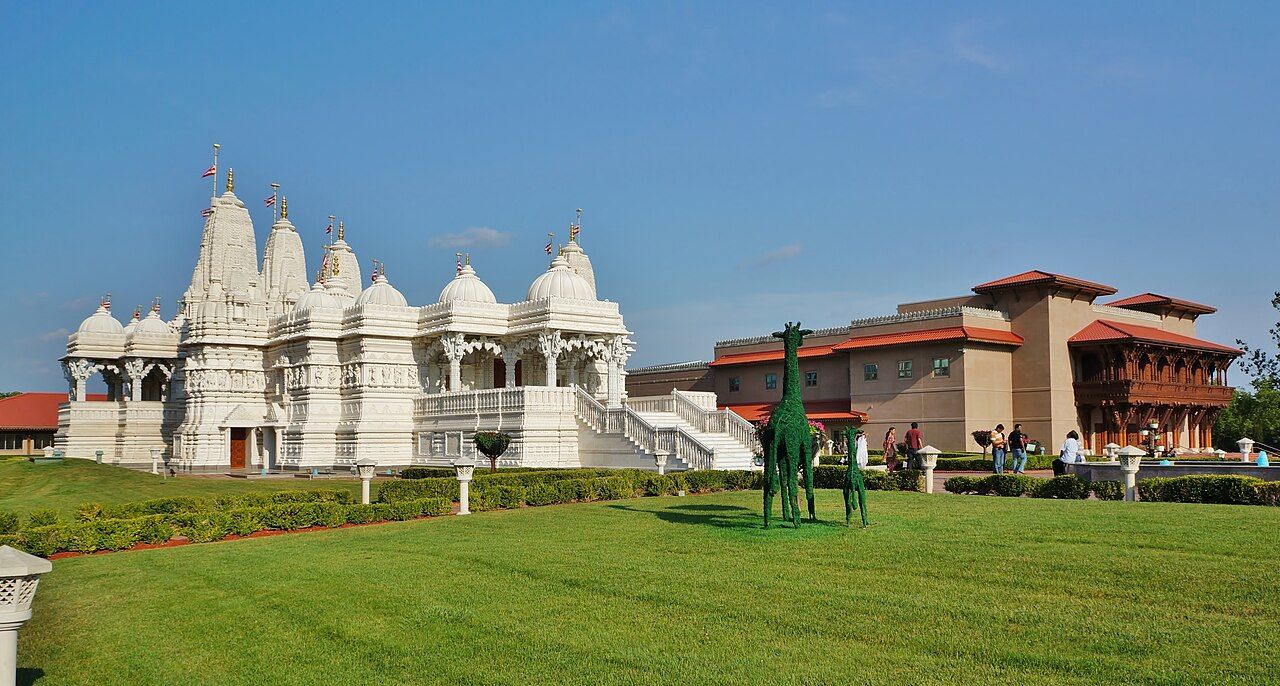
Image credit:
bogdanstepniak,
CC BY 3.0, via Wikimedia Commons
Seasonal Climate and Its Effect on Parks and Roadways
Northern Illinois experiences a continental climate marked by cold, snowy winters and warm, humid summers, and Bartlett is no exception, according to regional climate records maintained by the National Weather Service's Chicago office. Winter freeze-thaw cycles, in which moisture repeatedly freezes and expands within pavement cracks before thawing again, are a leading cause of surface deterioration on both roadways and paved trails throughout the region. This same seasonal pattern is why many municipal roads and trail surfaces in the Chicago area require routine spring repair after winter weather.
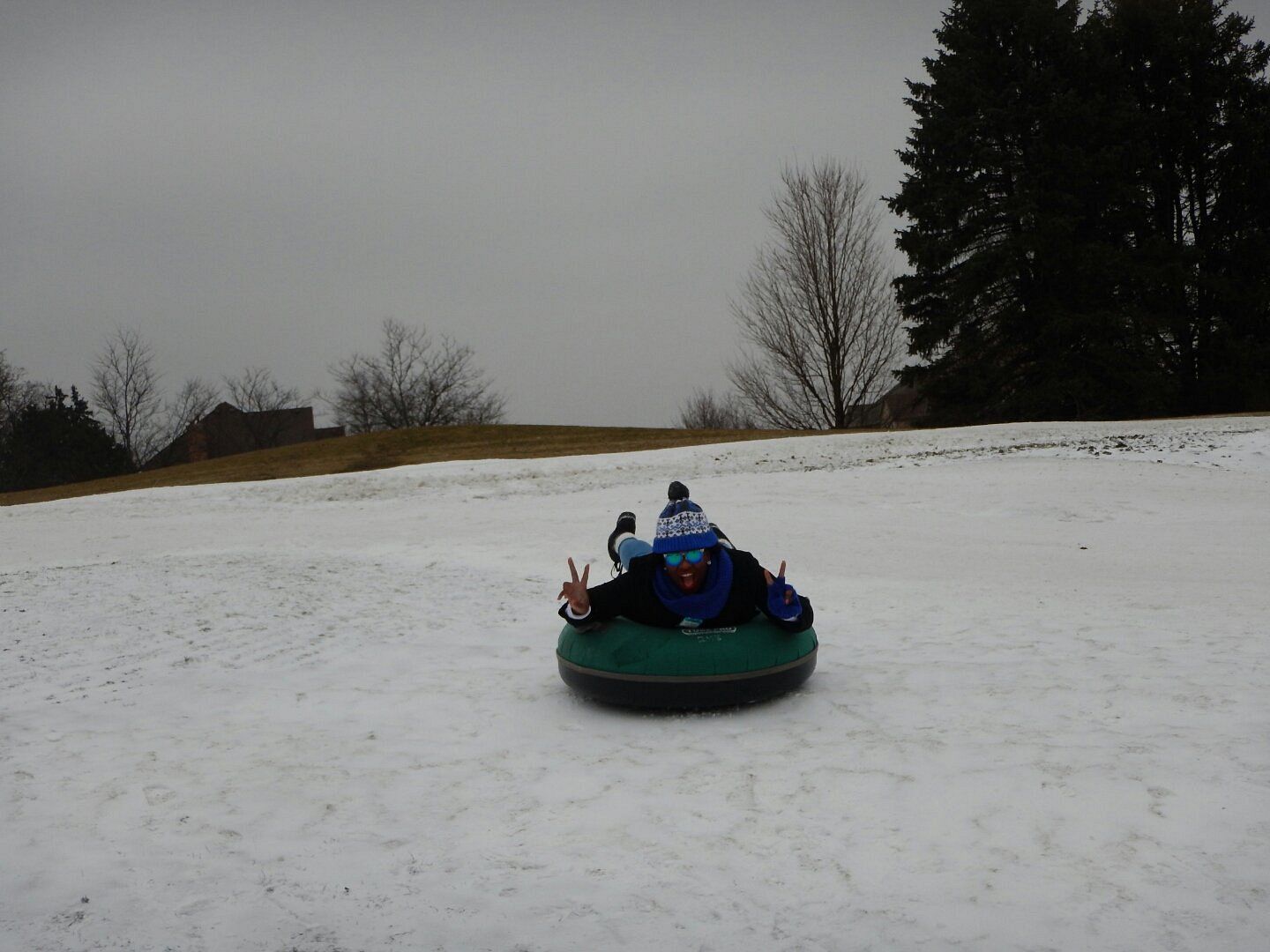
These conditions also shape recreational scheduling. The district's ski and sled hill facilities depend on consistent winter snowfall, while aquatic centers see peak demand during the shorter, humid summer season. Seasonal temperature swings additionally affect trailhead access, since unpaved lots can become soft or rutted during spring thaw. Recognizing these patterns helps explain why park usage, and the wear patterns on connecting roads, shift noticeably across the calendar year.
Governance, Accessibility, and Regional Value
Illinois park districts, including Bartlett's, operate under the state's Governmental and Governmental Employees Tort Immunity Act, which grants certain legal protections to local public entities and directly shapes how recreational fees and liability are structured. This statutory framework is one reason public park districts can offer lower-cost access to facilities than many comparable private alternatives. It also explains disclaimers commonly found on district paperwork regarding medical payment coverage for injuries on park property.
Beyond governance, research consistently links nearby park access to public health outcomes. The Centers for Disease Control and Prevention highlights access to places for physical activity as one of the most effective community-level strategies for increasing exercise rates. In a district with 44 distributed parks, most Bartlett residents live within a short distance of some form of public recreational space, reinforcing the system's role as both a recreational and public health resource for the community.