Illinois Route 59 in Bartlett, IL: Commercial Corridor
Illinois Route 59 runs through the heart of Bartlett as one of DuPage and Kane County's most heavily traveled north-south arterials. The route carries thousands of vehicles daily through a dense commercial strip — big-box retailers, service centers, restaurants, and light industrial operations packed along several miles of roadway. For drivers who rely on this corridor regularly, understanding its demands on vehicles is essential for keeping cars in reliable shape year-round.
Traffic Volume and Daily Driving Conditions
Bartlett sits along the I-90 corridor in the far northwest suburbs of Chicago, and Route 59 acts as a major feeder route connecting residents to both the expressway network and the Metra commuter rail station at the heart of town. The Federal Highway Administration tracks vehicle miles traveled across U.S. arterial roads, and suburban corridors like Route 59 consistently rank among the highest-use roadway categories in the Midwest. Segments in the Bartlett area regularly see average daily traffic volumes in the range of 25,000 to 35,000 vehicles.
Stop-and-go traffic is the defining condition along this corridor. Numerous signalized intersections — at Stearns Road, Illinois Route 20 (Lake Street), and Spaulding Road — create frequent acceleration and braking cycles. This pattern is significantly harder on a vehicle's brake system, transmission, and fuel economy than steady highway travel.
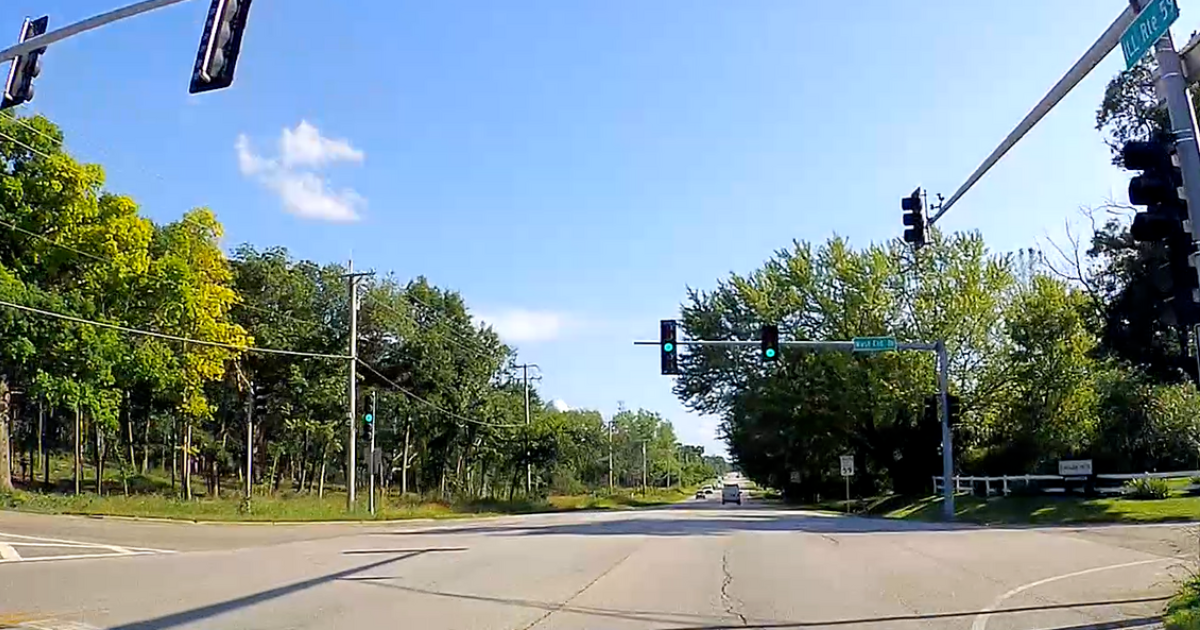
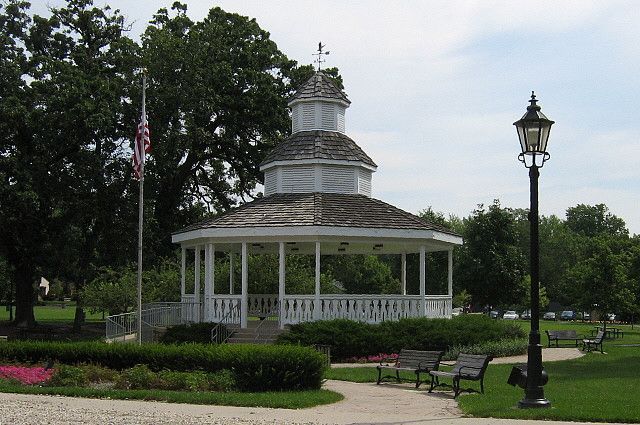
Image credit: Wschlitz, CC BY-SA 4.0, via Wikimedia Commons
Seasonal and Climate Factors Affecting Vehicle Wear
Northeast Illinois imposes serious mechanical stress across all four seasons. The Chicago metro area averages roughly 37 inches of snow annually, and DuPage County roads receive heavy applications of road salt and liquid de-icing chemicals from late November through early March. The National Weather Service's Chicago office documents the region's temperature swing — often exceeding 120°F between winter lows and summer highs — which drives rapid deterioration of rubber hoses, belts, and seals.
Prolonged road salt exposure accelerates corrosion on brake lines, exhaust systems, suspension components, and undercarriage metal. Vehicles driven regularly through the corridor in winter face a meaningfully faster corrosion timeline than those in warmer climates. Summer heat combined with stop-and-go idling pushes cooling systems harder, making coolant concentration and hose condition a seasonal priority.
Spring brings its own hazard. Freeze-thaw cycles — the repeated freezing and expansion of water trapped in pavement — fracture road surfaces, and Route 59 develops potholes and surface irregularities that stress suspension and alignment on vehicles that hit them at speed.
Infrastructure and Road Surface Characteristics
Route 59 has seen periodic resurfacing and reconstruction projects over the years, particularly at high-traffic intersections. The sheer volume of commercial traffic — delivery trucks, semis, and heavy service vehicles accessing the corridor's retail and industrial properties — accelerates pavement wear faster than on purely residential roads.
Drivers on this stretch regularly encounter rail crossings, driveways with abrupt grade changes, and turning lanes with uneven transitions. These conditions strain wheel bearings, tie rods, CV axles (the shafts that transfer engine power to the wheels), and shock absorbers. According to the ASCE Infrastructure Report Card, poor road conditions cost U.S. drivers an estimated $130 billion annually in vehicle operating costs, and Illinois roads receive a D+ grade — among the lower ratings in the Midwest.
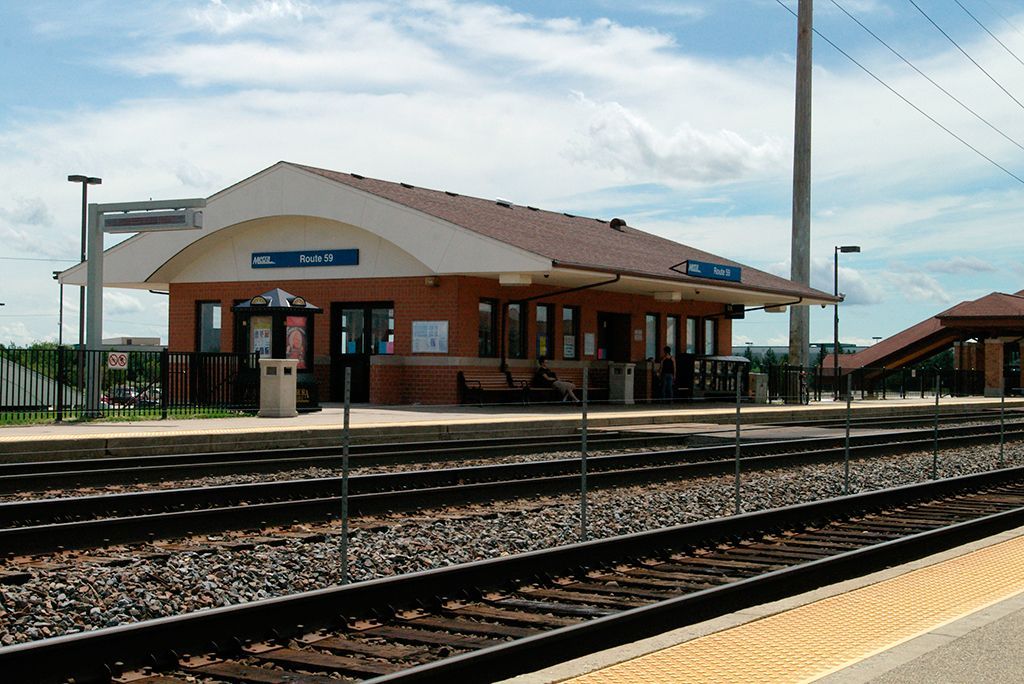
Image credit:
Lost on Belmont, CC BY-SA 3.0, via Wikimedia Commons
Common Vehicle Maintenance Needs for Route 59 Drivers
Given the specific demands of this corridor, certain maintenance tasks become especially important:
- Brake inspection and service — Frequent stopping accelerates pad and rotor wear. The NHTSA lists brake system integrity as a core vehicle safety requirement. Inspections every 10,000–12,000 miles are prudent for daily corridor drivers.
- Alignment and suspension checks — Pothole impacts disturb wheel alignment and stress struts and shocks. Misalignment also accelerates tire wear, compounding costs over time.
- Undercarriage inspection — Annual checks catch road salt corrosion on brake lines and exhaust components before they become safety issues.
- Tire rotation and pressure monitoring — NHTSA tire guidance notes that proper inflation and regular rotation extend tire life, particularly on roads with frequent directional changes and uneven surfaces.
- Cooling system maintenance — Verify hose condition and coolant concentration before summer heat arrives.
Illinois law requires vehicles operating on state highways to maintain functional brakes, steering, and lighting. Drivers can review applicable standards through the Illinois Secretary of State. Vehicles with mechanical faults need repairs before drivers return them to legal road use.
Route 59 and the Broader Bartlett Road Network
Route 59 doesn't operate in isolation. It intersects with Illinois Route 20, Bartlett Road, and Schick Road — collector streets feeding neighborhoods throughout Bartlett and adjacent communities including Streamwood, Hanover Park, and Carol Stream. Drivers commuting across multiple municipalities compound cumulative vehicle wear with every trip.
The Kane-DuPage county line runs through this corridor, splitting road maintenance responsibilities between jurisdictions. The DuPage County Division of Transportation oversees county-designated roads in this area, while state routes fall under IDOT. Surface conditions can vary noticeably across a jurisdictional boundary, adding unpredictability for regular drivers.
Understanding the physical demands of Route 59 helps drivers make informed decisions about maintenance frequency and inspection priorities. On a high-demand corridor like this one, staying ahead of wear costs far less than addressing failures after they occur.