Illinois Automotive Repair Act: Consumer Protections
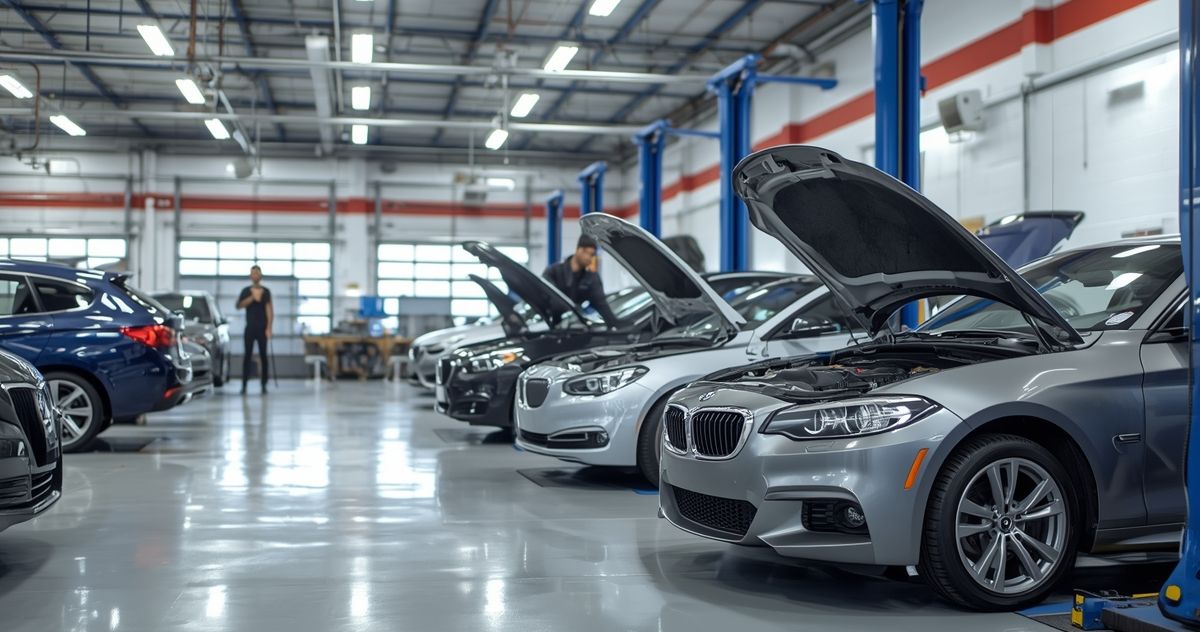
Illinois drivers have important legal protections when they bring a vehicle in for service under the Illinois Automotive Repair Act, which is designed to promote transparency, prevent surprise charges, and curb deceptive practices in auto shops. This guide explains your key rights as a consumer and what auto repair facilities must do to stay compliant under Illinois law.
What Is the Illinois Automotive Repair Act?
The Illinois Automotive Repair Act is a state law that regulates how motor vehicle repair facilities interact with consumers, focusing on written estimates, authorization, billing, and disclosure of parts and labor. It was enacted to combat unfair and deceptive repair practices and to ensure that consumers understand the work being done and the price before repairs begin.
The statute sits within Illinois’ Business Transactions laws and is enforced alongside broader consumer fraud protections handled by the Illinois Attorney General. In practical terms, the Act governs everyday situations like getting brakes replaced, diagnosing a warning light, or authorizing additional work discovered during an inspection.
Shops that ignore the law risk consumer complaints, enforcement actions, and potential penalties, especially if their conduct shows a pattern of fraud or deception.
Written Estimates and Your Right to Know the Price
One of the most important protections is your right to a written estimate when repair costs are expected to exceed a certain amount. In Illinois, repair facilities must provide a written estimate for repair work that is expected to cost more than 100 dollars, unless the consumer voluntarily waives that right or there is no face‑to‑face contact and a specific exception applies.
The estimate must clearly outline charges for parts, labor, and any diagnostic tests, and you can learn more about these requirements on the Illinois Attorney General auto repairs page. By law, the estimate must also describe the parts that will be used, disclose whether those parts are new, used, rebuilt, or reconditioned, and state whether each recommended repair is required for safety or operation or merely suggested or optional.
It should include the date, odometer reading, the time needed if the vehicle will be kept more than a day, and explain how labor costs will be calculated, such as hourly rates or flat‑rate guides. The Act allows two general approaches to pricing: an itemized parts‑and‑labor estimate or a non‑itemized “limited price” estimate that simply states the total price for the repair.
In either case, the facility cannot exceed the stated estimate by more than 10 percent for an itemized estimate or go above a non‑itemized total price estimate at all, unless they get your clear authorization for the higher amount.
Authorization Before and During Repairs
Beyond estimates, the law centers on your right to control what work is actually performed on your vehicle. Before any repair work begins, the shop must obtain your authorization, which can be written or oral, but in all cases must be properly documented by the facility.
This requirement applies both to the initial repairs and to any additional work that goes beyond what the original estimate covered. If the shop discovers additional problems that would take the total above the estimate, they must contact you, explain the new work and costs, and get your approval before proceeding.
You also have options regarding how you want to be notified and how you want to approve extra work, including specifying a dollar limit you do not want the shop to exceed without checking with you first. For situations where a vehicle is dropped off without face‑to‑face contact, the Act still requires authorization and proper documentation of your choices.
Shops cannot claim blanket permission to perform any repair they deem necessary just because you left the keys. If you want to explore the exact statutory language on authorization and estimates, you can review the Illinois General Assembly Automotive Repair Act text or the codified version on Justia’s Illinois Automotive Repair Act page.
Invoices, Parts, and Payment Rules
When the work is complete, the facility must give you an invoice that mirrors the transparency promised at the estimate stage. The invoice must itemize parts and labor, list the odometer reading, include any warranties related to the parts or labor, and state the total price you are being charged.
This documentation helps you verify that the shop followed your authorization and did not add unapproved items. The Act also specifies what a shop can require you to pay when you pick up the vehicle. In general, you may remove your vehicle upon paying for labor actually performed, parts actually installed, and any parts ordered specifically for your vehicle that cannot be returned, along with storage charges that were disclosed to you before repairs.
Facilities are prohibited from imposing lien charges for repairs that were never properly authorized under the law. If a dispute arises, these detailed records—written estimates, authorizations, and invoices—become crucial evidence. Consumers can file complaints with the Illinois Attorney General’s office when they believe a facility has violated the Automotive Repair Act or engaged in broader deceptive practices, and you can start that process through the Illinois Attorney General “File a Complaint” page.
Posted Rights and How to Use Them
Illinois law requires repair facilities to post a sign informing customers of their rights under the Automotive Repair Act in a visible location, such as the service counter. That notice must explain that you are entitled to a written estimate for repairs costing 100 dollars or more, that the shop cannot exceed an itemized estimate by more than 10 percent without your approval, and that you have the right to authorize additional repairs either orally or in writing.
As a consumer, the practical steps are straightforward: ask for your written estimate before agreeing to any major work, keep copies of all paperwork, and be clear about how you want to be contacted if the shop finds additional issues. If something does not look right on the invoice or you discover work you never authorized, address it with the shop immediately and consider contacting the Attorney General’s consumer protection division if the issue is not resolved; you can also review real‑world issues highlighted in the Attorney General’s news on top consumer complaints involving auto sales and repairs.
Why These Protections Matter for Drivers in Bartlett, IL
For drivers in Bartlett, IL, understanding the Illinois Automotive Repair Act makes everyday service decisions more confident, because you know you can request written estimates, insist on clear explanations, and rely on posted rights if questions arise; when you choose a local auto repair shop like FTD Auto in Bartlett that respects these protections, you gain a partner that values transparent estimates, documented authorizations, and detailed invoices, helping you maintain your vehicle with confidence and build a long‑term relationship grounded in trust and clear communication.
If you have questions about living in a RRIO‑compliant community or want to learn more about available homes, reach out to our team today.