Bartlett Depot Museum: Village Railroad Origins
Bartlett Depot Museum tells the story of how a small farming settlement became the Village of Bartlett through the arrival of the railroad, the donation of land for a station, and the evolution of the depot into today’s community museum.
A village born from the rails
Long before Bartlett had sidewalks and subdivisions, it was open prairie and farmland on the expanding edge of the Chicago region. The Chicago & Pacific Railroad pushed west from Chicago toward Elgin in the early 1870s, looking for land for a right-of-way and station stops along its new line.
Local landowners Luther and Sophia Bartlett recognized the opportunity and agreed to donate a portion of their property to the railroad for the line and a station site.
In return, they received the economic promise that a depot would bring and, just as importantly, the chance to put their family name on the map. They named the new stop “Bartlett,” linking the developing settlement’s identity directly to the railroad infrastructure that anchored it and setting the stage for a true rail village.
The first depot and economic cornerstone
The first depot in Bartlett was built in 1873, establishing a permanent rail presence that would shape land use, business decisions, and daily life. The station handled freight, mail, and passengers on a line that would become part of a larger Midwestern rail network, connecting Bartlett’s fields to Chicago’s markets and beyond.
The station quickly became the hub around which commerce clustered, drawing butter- and cheese-making operations that used the rail line to ship their products to larger urban markets. A cooper shop soon followed to supply cheese boxes and butter tubs, clearly showing how one piece of infrastructure can spawn complementary businesses and local jobs that support a growing community.
As more producers and merchants recognized the advantages of shipping from a named depot, Bartlett’s economic footprint expanded. Rail access made it practical to move bulk goods efficiently, encouraged local farmers to invest in equipment, and helped stabilize the population by turning a once-remote farming area into a viable market center.
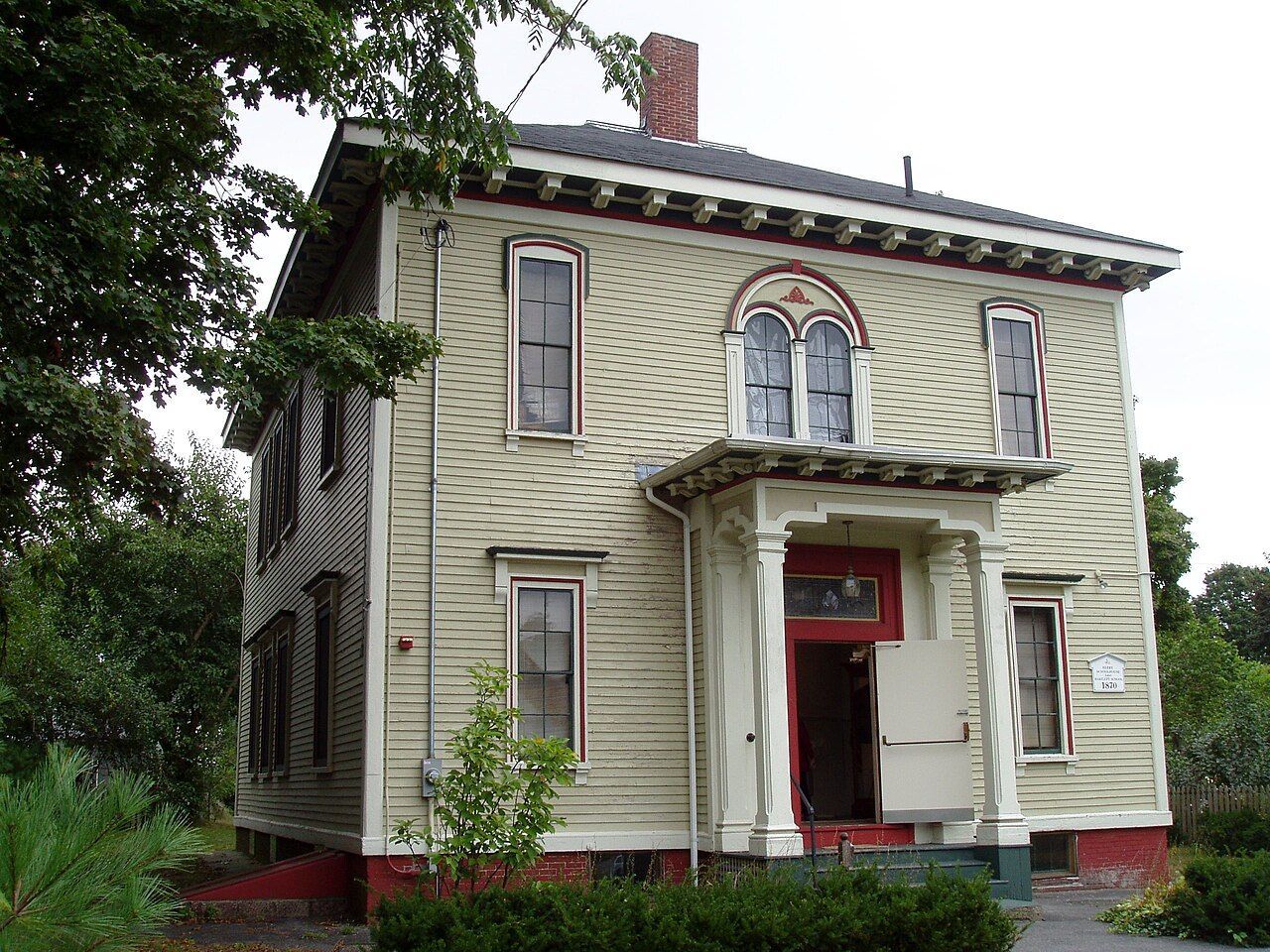
Image credit: Daderot at en.wikipedia, CC BY-SA 3.0, via Wikimedia Commons
Land donations and village identity
The decision by the Bartlett family to subdivide their land for railroad use in 1873 was more than a real estate transaction; it was an act of place-making that underwrote the village’s future. Donating roughly half of a 40‑acre tract for a station and switching yard laid the groundwork for a planned town center that revolved around rail activity and made the area attractive to settlers, shopkeepers, and investors.
Because the stop carried the Bartlett name, every timetable and freight bill reinforced the connection between the family, the depot, and the emerging village. When Bartlett was later incorporated as a village in the early 1890s, the depot’s presence and the rail-linked economic base it supported were central reasons the settlement could sustain formal municipal institutions, from local government to civic organizations.
Over time, the streets, businesses, and neighborhoods that grew up around the tracks reflected this rail-first identity. The physical layout of downtown Bartlett, with its focus on Railroad Avenue and the depot site, still speaks to the way that land donation decision continues to shape how residents and visitors experience the village today.
From working station to historic landmark
By the late 19th century, Bartlett’s depot had become a familiar landmark and a focal point of community life. Residents gathered there to send and welcome travelers, collect mail, and watch the daily rhythm of trains that symbolized both opportunity and change for a rural Illinois village on the rise.
Over time, however, shifts in transportation patterns, including the rise of automobiles and highways, reduced the centrality of rail in everyday life. Passenger service waned, freight patterns evolved, and original depots along many Midwestern lines were gradually replaced, repurposed, or demolished, leaving Bartlett’s historic depot increasingly rare as a survivor of the village’s formative years and a tangible link to its earliest days
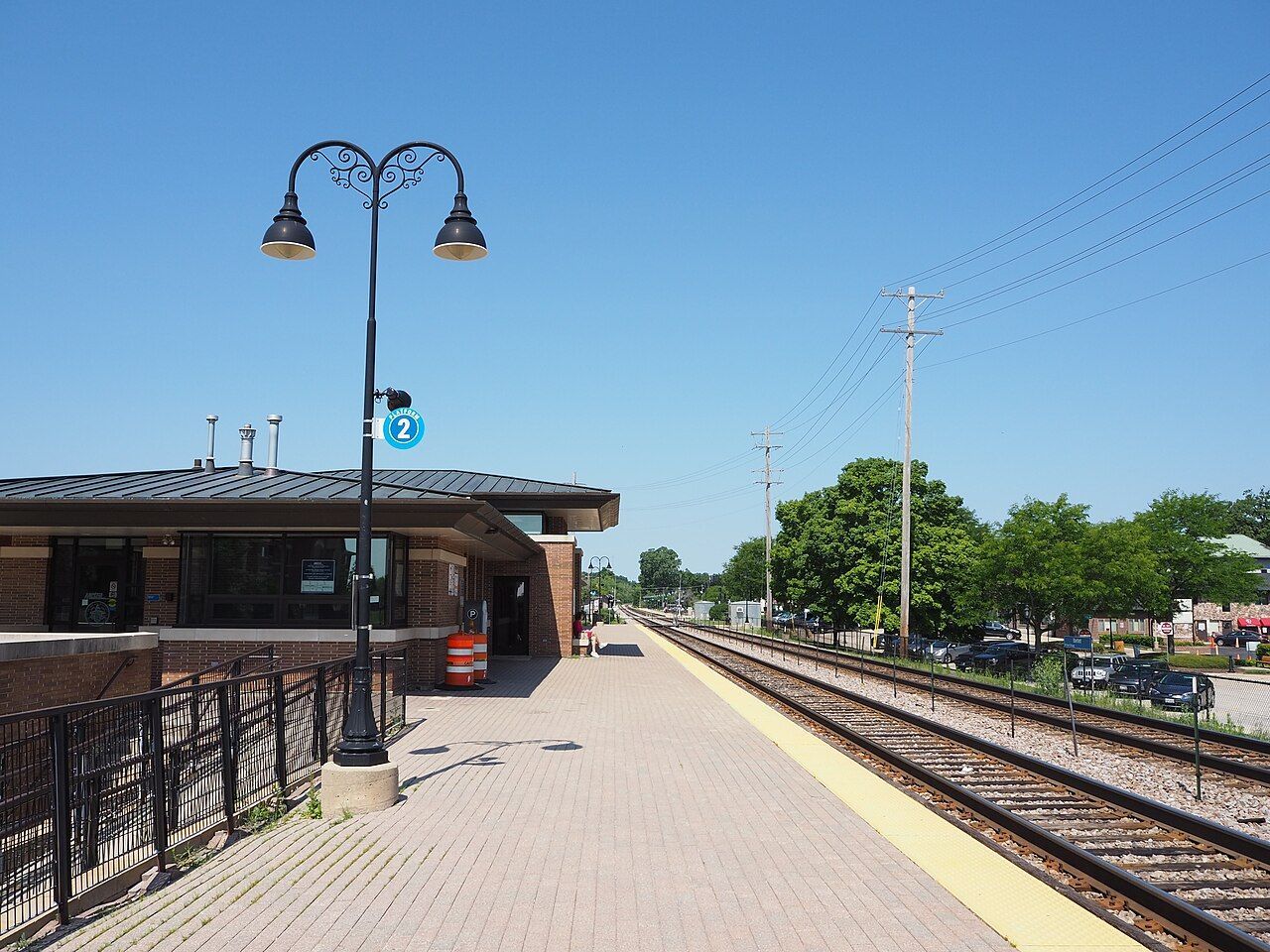
Image credit: Jacob G., CC BY-SA 2.0, via Wikimedia Commons
Community preservation and museum creation
Local historians and residents stepped in to argue that the depot was much more than a redundant building; it was the most tangible surviving artifact of Bartlett’s railroad origins. Their advocacy helped protect and restore the depot, eventually transforming it into what is now the Bartlett Depot Museum, an attraction promoted by regional heritage partners such as the
Kane DuPage Regional Museum Association.
Today, the museum uses the historic depot itself as its primary exhibit, allowing visitors to experience the scale, materials, and layout of a 19th‑century small-town station. Inside, rotating and permanent displays interpret Bartlett’s rail heritage through photographs, artifacts, and hands-on activities that connect the abstract idea of “railroad development” to the lived experiences of local families, a story also highlighted in this Wonderful Museums feature on the Bartlett Depot Museum.
Rail heritage as civic storytelling
The Bartlett Depot Museum serves a dual role: it preserves the physical legacy of the village’s railroad era and uses that legacy to explain how
Bartlett evolved from a rural siding into a suburban community. Exhibits highlight early agricultural industries that depended on rail shipping, the arrival of settlers who chose Bartlett because of its connectivity, and the technological changes that reshaped rail operations over time, themes that echo broader regional narratives preserved by the
DuPage County Historical Museum.
For residents and visitors, this storytelling reinforces a sense of continuity. Standing on the platform, it is possible to imagine the first trains arriving in the 1870s, the Bartlett family’s land stretching out around the tracks, and the gradual accretion of homes, shops, and civic buildings that became the village, a narrative also echoed in regional histories of Bartlett that emphasize the long arc from farm town to modern suburb.
Why the depot story still matters
Understanding Bartlett’s railroad origins through the lens of the Depot Museum offers more than local trivia; it provides a case study in how infrastructure decisions shape communities. A single donated parcel for a depot created a cascade of effects—economic, social, and cultural—that still influence Bartlett’s layout and identity today, reminding current residents that their community began with a strategic bet on the power of rail.
In an era when many people experience railroads only as distant freight lines or commuter routes, the Bartlett Depot Museum brings the railroad back into focus as a human-scale, village-defining force. By preserving the depot and the stories attached to it, the community ensures that its origin as a rail village remains visible, interpretable, and meaningful to future generations who walk past the tracks and step inside the restored station.