NHTSA Recall & Safety Guidelines: What Bartlett, IL Drivers Should Know
Every year, millions of vehicles on American roads carry a safety defect that the driver may not even know about. At FTD Auto in Bartlett, Illinois, we believe understanding how safety recalls work is one of the simplest ways to protect the people who ride in your car. The National Highway Traffic Safety Administration, or NHTSA, is the federal agency responsible for setting vehicle safety standards and overseeing recalls. Knowing how its process works turns a confusing letter in the mail into a clear, confident next step.
What a Vehicle Safety Recall Actually Means
A safety recall happens when a manufacturer or NHTSA determines that a vehicle, tire, car seat, or piece of equipment creates an unreasonable safety risk or fails to meet a minimum federal safety standard. In plain terms, a recall means a specific part could fail in a way that endangers you or others. This differs from routine wear, which is the normal aging of components we address through everyday maintenance services. A recall points to a defect the manufacturer must correct at no cost to you.
Federal law under the Safety Act requires manufacturers to fix a recalled defect in one of a few defined ways. Understanding these options helps you know what to expect before you ever contact a dealer.
- Repair: The manufacturer fixes the defective part free of charge.
- Replacement: A comparable part or vehicle replaces the defective one.
- Refund: The owner receives money back for the affected component.
- Repurchase: In rare cases, the manufacturer buys the vehicle back.
Because these remedies are federally mandated, you should never pay out of pocket for a recall repair. That protection exists precisely so cost never stands between a family and a safe vehicle.
How the Recall Process Begins
Most people assume recalls start with the government, but the process usually begins with drivers themselves. According to NHTSA, consumer complaints are the first and most important step in identifying a potential defect. When the agency receives similar reports about the same product, that pattern can trigger a formal review.
From there, the process moves through several stages before a recall is announced. Each stage exists to confirm that a genuine safety risk exists rather than an isolated problem.
- Complaints: Owners report a suspected defect, and the report enters a public database.
- Investigation: NHTSA screens complaints, analyzes petitions, and opens a formal investigation when warranted.
- Recall: If a defect is confirmed, the manufacturer must announce and remedy it.
For local drivers, this means your voice carries weight. A single complaint from a Bartlett commuter noticing a recurring fault could contribute to a nationwide safety action, which is why we encourage documenting issues during our diagnostic evaluations.
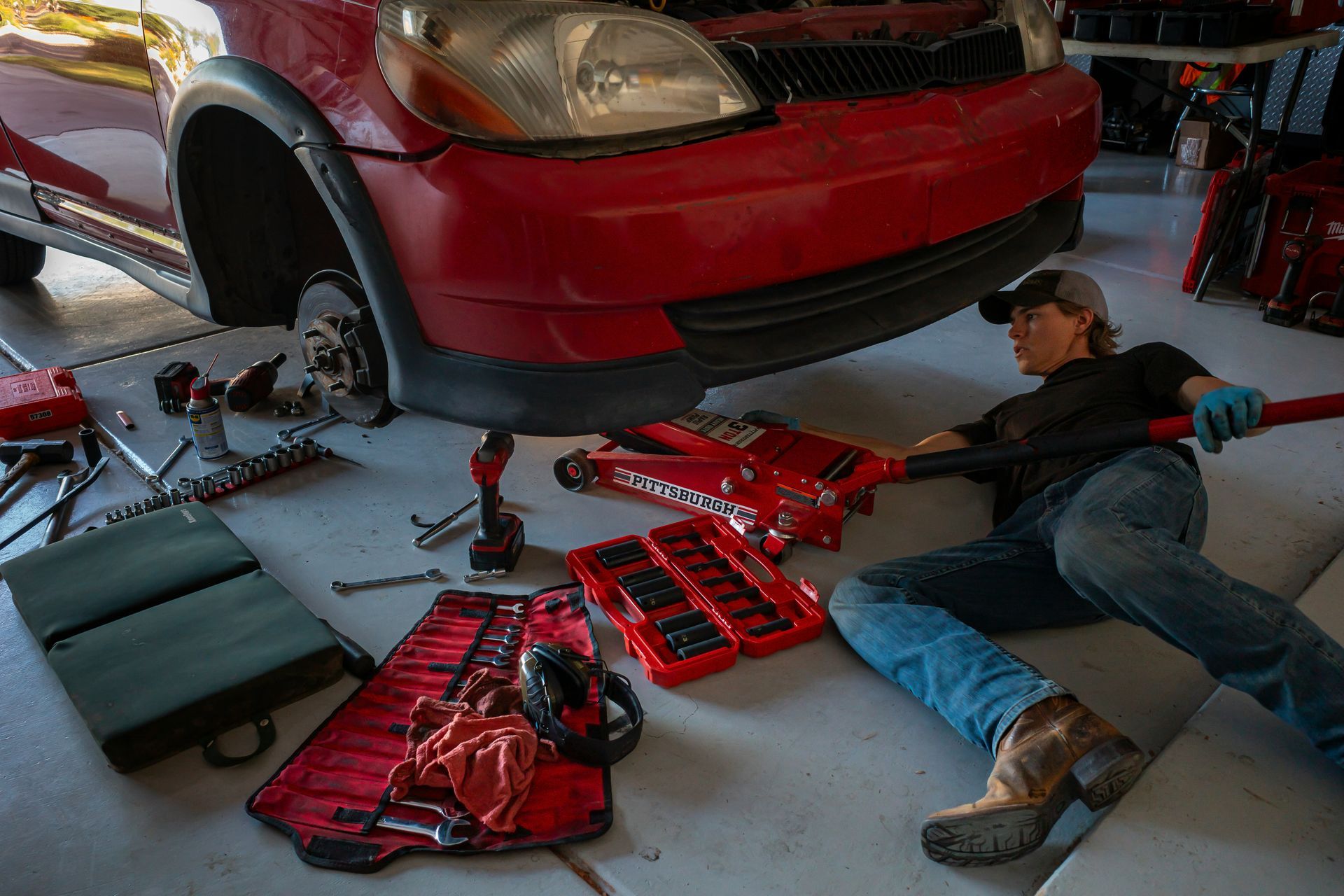
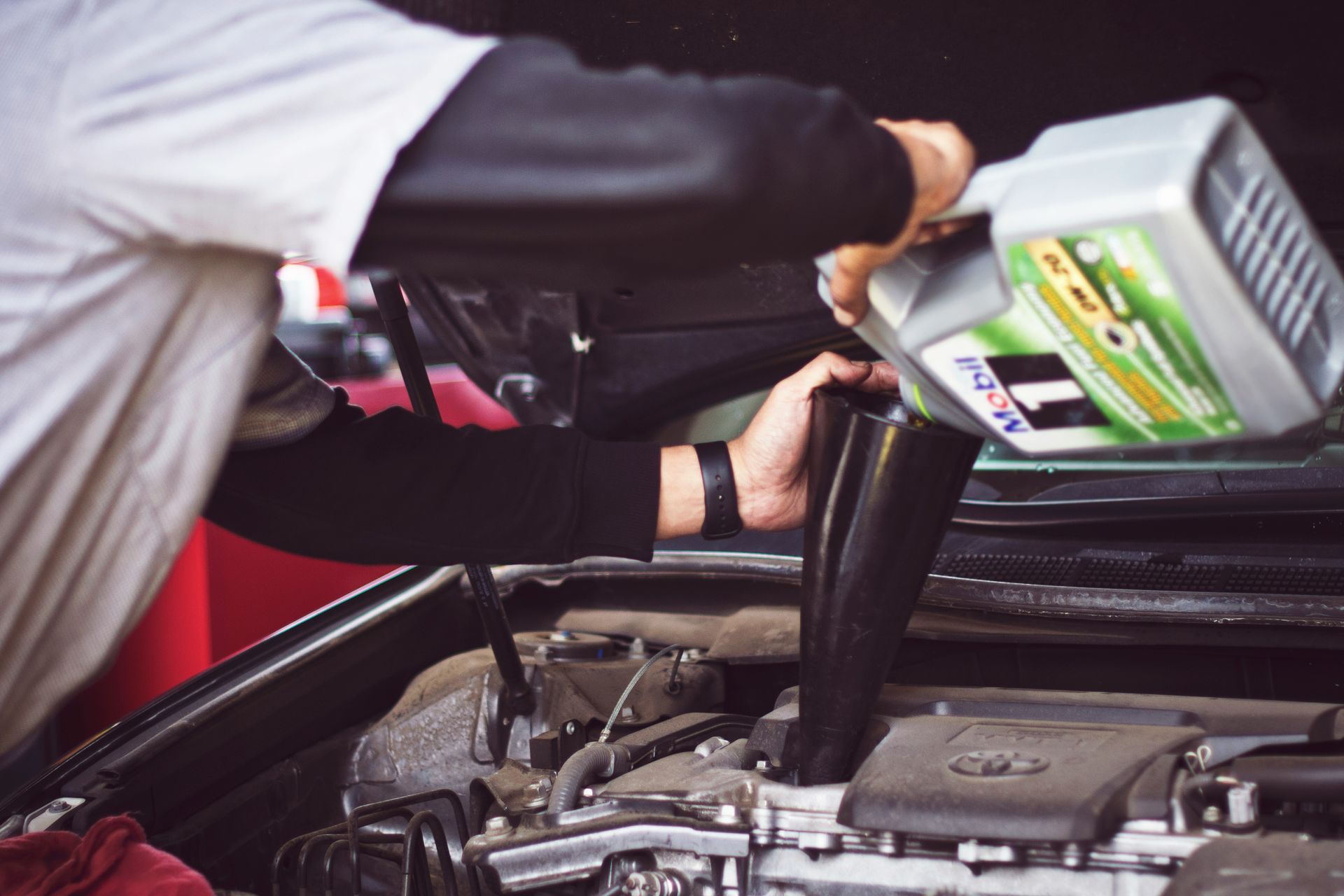
Image credit: Joseph Pillado on Unsplash
Checking Your Vehicle and Reading Recall Notices
The most direct way to check your vehicle is through its VIN, the 17-character Vehicle Identification Number found on the lower-left corner of your windshield or on your registration card. Entering that number into NHTSA's free lookup tool reveals any unrepaired recall tied to your specific vehicle. This matters because recalls apply to certain production ranges, not entire model lines.
When a recall is issued, the manufacturer must notify registered owners by first-class mail within 60 days of informing NHTSA. That notice explains the defect, the risk, and how to get the free repair. We encourage Illinois residents to keep their registration current with the Illinois Secretary of State, since accurate records ensure these safety letters actually reach you.
Even with mailed notices, gaps happen. Used-car buyers are especially vulnerable, because a recall letter may have gone to a previous owner years ago. That is one reason we build a VIN recall check into our pre-purchase inspections, closing that gap in minutes.
Why Recall Awareness Matters Specifically in Bartlett
Northern Illinois places real stress on the exact systems that recalls often target. Bartlett winters bring salted roads, freeze-thaw cycles, and sub-freezing temperatures that accelerate corrosion and strain steering and braking components. A latent defect can become far more dangerous when combined with an icy morning commute along Lake Street or Route 59.
Safety officials recommend checking for recalls twice a year, and pairing that habit with seasonal upkeep makes practical sense in our climate. Research from the Insurance Institute for Highway Safety underscores how vehicle condition and safety systems influence real-world crash outcomes. High-profile campaigns, such as the massive Takata airbag recall affecting tens of millions of vehicles, show how widespread these defects can be. For families driving children to school across the western suburbs, staying current is not paperwork — it is protection.
Local awareness also bridges a common knowledge gap. Many drivers confuse a recall with a manufacturer service bulletin, which addresses non-safety issues and is not free. Knowing the difference helps you ask the right questions, whether the concern involves your tires or another system, and avoid unnecessary charges.
Confirm Your Vehicle's Safety With FTD Auto in Bartlett, IL
Understanding NHTSA recall guidelines empowers you to act early, but interpreting a notice and verifying your vehicle's overall condition is often easier with a trusted local expert. At FTD Auto in Bartlett, IL, our team led by veteran technician Pete Jezierski helps drivers make sense of recall notices and confirm whether related systems are working safely. While the manufacturer handles the recall repair itself, our full-service shop supports you with honest, transparent care across all makes and models.
Every visit includes a FREE Digital Vehicle Inspection, giving you a clear picture of your car's health beyond any single recall — the same thoroughness our customer reviews reflect. Serving Bartlett, Streamwood, and nearby communities, we pair federal-level safety awareness with neighborly, dependable service. If you've received a recall notice or simply want peace of mind before the next Illinois winter, call us today to schedule a safety-focused inspection with a team you can trust.